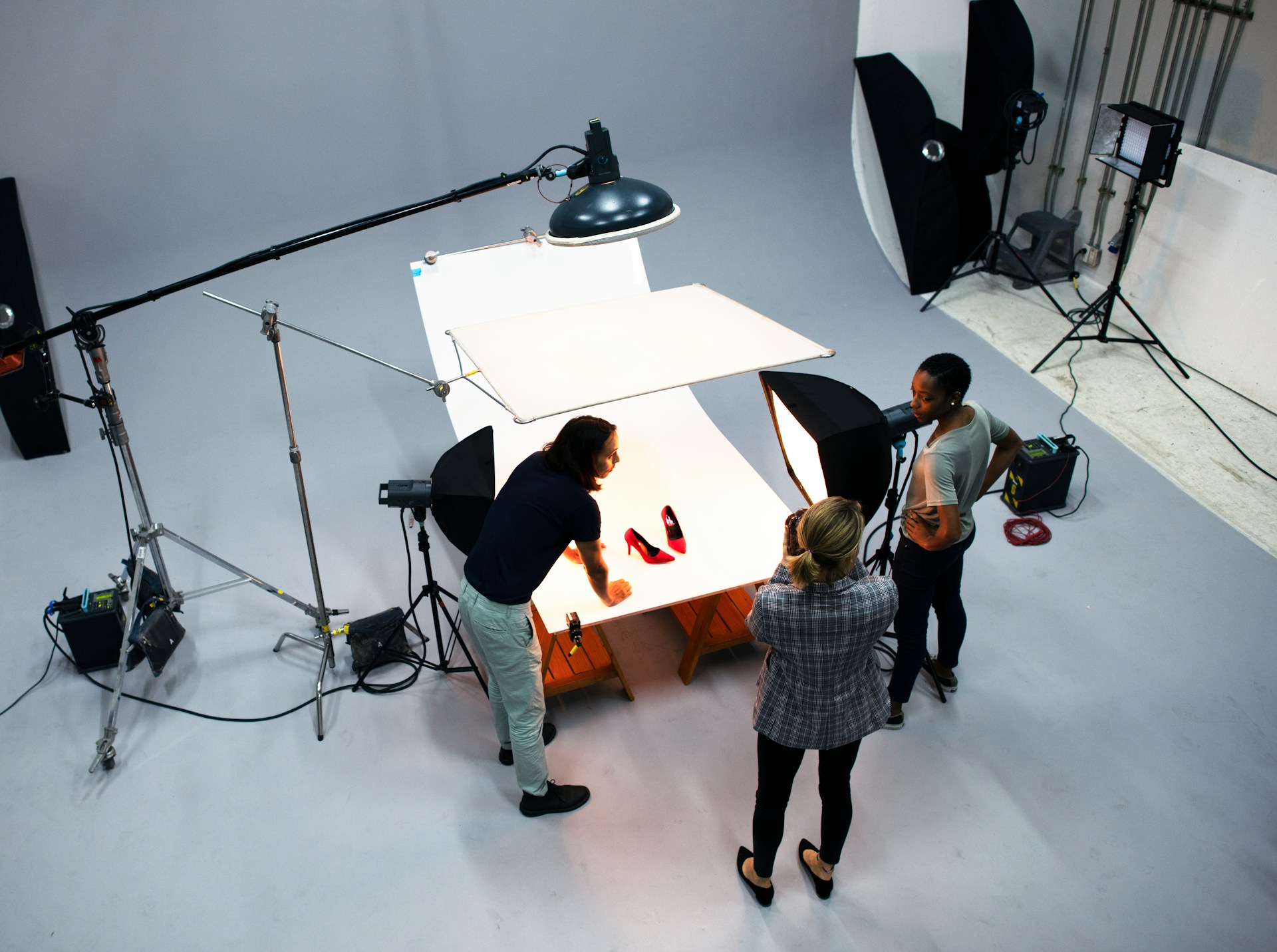
Stop guessing, start shooting with intent
Brand photoshoots rarely fall apart on set.
They fall apart before anyone touches a camera.
• The brief lives in one deck
• The shot list hides in a random spreadsheet
• The selects plan sits in someone’s brain
Then comes chaos.
• Approvals drag
• Reshoots sneak in
• You end up with “nice” images that do nothing for sales or brand recall
A simple pre-shoot workflow fixes that.
When the brief, shot list, and selects plan plug into one clear system, everyone knows:
• Why they are shooting
• What they are shooting
• Which frames will actually get approved
Tiny Disco, a creative direction agency based in Prahran, builds this into every campaign so brands get distinctive, design-led images that still hit the commercial brief.
With the right structure, brands get:
• Fewer feedback rounds
• Less “can we just quickly…” on shoot day
• Stronger, more consistent campaign creative that still feels fresh
Decode the brand imagery brief like a creative director
Most imagery briefs are overloaded.
Pages of words, moodboards, and wishlists clash.
The first job is to cut it down.
Start by stripping the deck:
• Pull out 3 to 5 core objectives for the shoot
• Link each objective to a clear action (sell, launch, shift perception, build trust)
• Park everything that does not serve those objectives
Then translate fuzzy language into visuals.
When someone says “more premium” or “more fun,” that needs to turn into things a crew can actually shoot, such as:
• Lighting style (soft vs punchy; natural vs studio)
• Framing (wide, medium, close-up)
• Styling (materials, colour palette, negative space)
• Casting energy (polished, playful, real-world, aspirational)
Next, build a visual anchor for the campaign.
One clear hero story beats ten half-baked mini-stories.
Decide:
• Who is at the centre of the campaign (product, person, scenario)
• Where it lives (environment, context; indoor, outdoor)
• What tension or contrast makes it interesting
From there, map supporting moments, such as:
• Product close-ups for retail and e-comm
• Lifestyle context for social and digital
• Social-first crops that work vertically
• Motion snippets that can sit in paid or organic
Lock non-negotiables early.
Before anyone scouts or styles, confirm:
• Must-have SKUs or product groups
• Talent numbers and key looks
• Props, surfaces, textures
• Location types and timing constraints
Tiny Disco often captures this in a one-page creative direction snapshot that sits on top of the full deck.
It acts like a visual summary, so if someone joins late, they can catch up in two minutes, not two hours.
Turn strategy into a laser-focused shot list
Now the strategy needs to turn into shots.
Not a random shopping list.
A structured, usable plan.
Group shots by story, not by chaos.
Instead of 90 unlinked frames, cluster into scenes:
• Hero campaign scene
• Product detail scene
• Social cutdowns scene
• PR or editorial angles scene
For each scene, define:
• Purpose: what problem this scene solves
• Platform: OOH, social, web, in-store, PR
• Primary frame: vertical, horizontal, 1:1
Then add just enough detail so the crew can solve on set.
For every shot, note:
• Subject: person, product, both
• Angle: eye-level, high, low, over-the-shoulder
• Framing: tight, medium, wide; negative space left or right
• Action: what is happening in the frame
• Emotion: relaxed, excited, focused, calm
• Priority: must-have vs nice-to-have
Tag shots that need variations so no one forgets them:
• Colourways
• Talent swaps
• Prop changes
• Day vs night or indoor vs outdoor
Keep the list skimmable.
On a hot summer shoot in Melbourne, no one has time to read essays.
Tiny Disco suggests:
• Short, punchy labels
• Icons or colour-coding for stills vs motion
• Visual tags for hero vs filler
As a creative direction agency, Tiny Disco also bakes approval checkpoints directly into the shot list.
After each scene or key setup, there is a clear “client check” moment.
No one strikes the set until the decision-maker signs off.
Design a selects plan clients approve in half the time
Most teams leave selects thinking until after the shoot.
That is why approvals drag.
Decide what “good” looks like before the first frame.
Set shared selection criteria and agree with the client and photographer upfront:
• Brand fit: does it feel like the brand, not just a pretty shot
• Storytelling: does it say something in one glance
• Versatility: can it crop, animate, or sit across platforms
• Layout space: is there room for copy or logo
• Scroll-stopping factor: would someone pause on it
Then set up a simple, tiered selects system:
• Tier 1: campaign heroes that carry the whole idea
• Tier 2: workhorse images for web, social, EDMs
• Tier 3: texture and detail shots that add depth
Plan how clients will review so approval stays simple:
• Simple gallery layout, grouped by scene or story
• Clear filename logic that matches the shot list numbers
• Obvious notes fields so feedback lives in one place
Tiny Disco also recommends limiting first-round options per shot.
Instead of handing over 40 near-identical frames, present a tight set of strong options.
The choice becomes “great vs great,” not “needle vs haystack.”
Lock in feedback windows and number of rounds inside the selects plan, so schedules stay sane and no one is stuck in endless limbo.
Run shoot day like a design-led production machine
Shoot day is where good systems pay off.
The shot list becomes a live control panel, not a forgotten PDF.
Treat it like a status board:
• Mark shots as “shot / pending select / locked hero” in real time
• Move tricky frames into a “revisit” column so the schedule stays on track
• Note quick learnings so the crew can adjust for the next setup
Use the brief and criteria as the decision filter.
When everyone loves a frame but it does not match the visual anchor, the brand wins, not egos.
The pre-agreed shot list and selects criteria answer:
• Does this serve a core objective?
• Does it fit the hero story and visual language?
• Does it fill a gap in the plan or just look cool?
Tiny Disco suggests having a creative direction agency representative hold the final visual call on set.
This person is not there to please every idea.
They are there to protect the brand and keep the images aligned to the original intent.
Capture selects thinking while the energy is fresh:
• Tag clear favourites during tethered review or playback
• Add quick notes like “great layout space left,” “best expression,” or “strong product clarity”
• Flag potential heroes vs backups on the day
This makes post-shoot approvals faster, because no one is trying to remember why a frame felt right a week later.
Lock the workflow before your next campaign
The goal is not to reinvent the process every shoot.
It is to lock a simple system the team can repeat and scale.
Turn the process into a reusable template:
• Brief summary
• One-page creative direction snapshot
• Structured, priority-based shot list
• Clear, tiered selects plan
Adjust it for season or campaign type.
For late-summer and autumn work, for example, teams in Melbourne might pay closer attention to:
• Light quality and shoot times
• Wardrobe weight and colour
• Seasonal props or locations that still feel on-brand
Get buy-in before anyone picks up a camera.
Share the workflow with clients, producers, and photographers well ahead of the day.
Then run one short alignment call just to walk through:
• The hero story and visual anchor
• The shot list structure and priorities
• The selects plan and approval timing
When everyone sees the same map, the shoot stops being guesswork and starts running like a design-led machine.
Automatic. Boring. Generic. We ain’t it.
Tiny Disco.
Redefining authentic campaign creative in 2026.
Turn Your Ideas Into Impactful Creative Experiences
If you are ready to shape a clearer visual and strategic direction for your brand, our team at Tiny Disco is here to collaborate with you. Explore how our creative direction agency services can help you connect your ideas with the right audience and outcome. Whether you have a defined brief or just the seed of an idea, we will work with you to build it into something distinctive and practical. If you would like to talk through a project or ask a question, simply contact us.